1. Triage the hazards
Sharps come first, then soaked items, then everything else. This order keeps the crew and the property safer.
State Center, IA · Marshall County
Waste from care, injury or illness does not belong with the household garbage. In State Center, call (877) 812-4220 to talk about sharps containers, soaked items and scheduled pickups for small practices.
If anyone is in danger, call 911 first. For a suicide crisis, call or text 988.
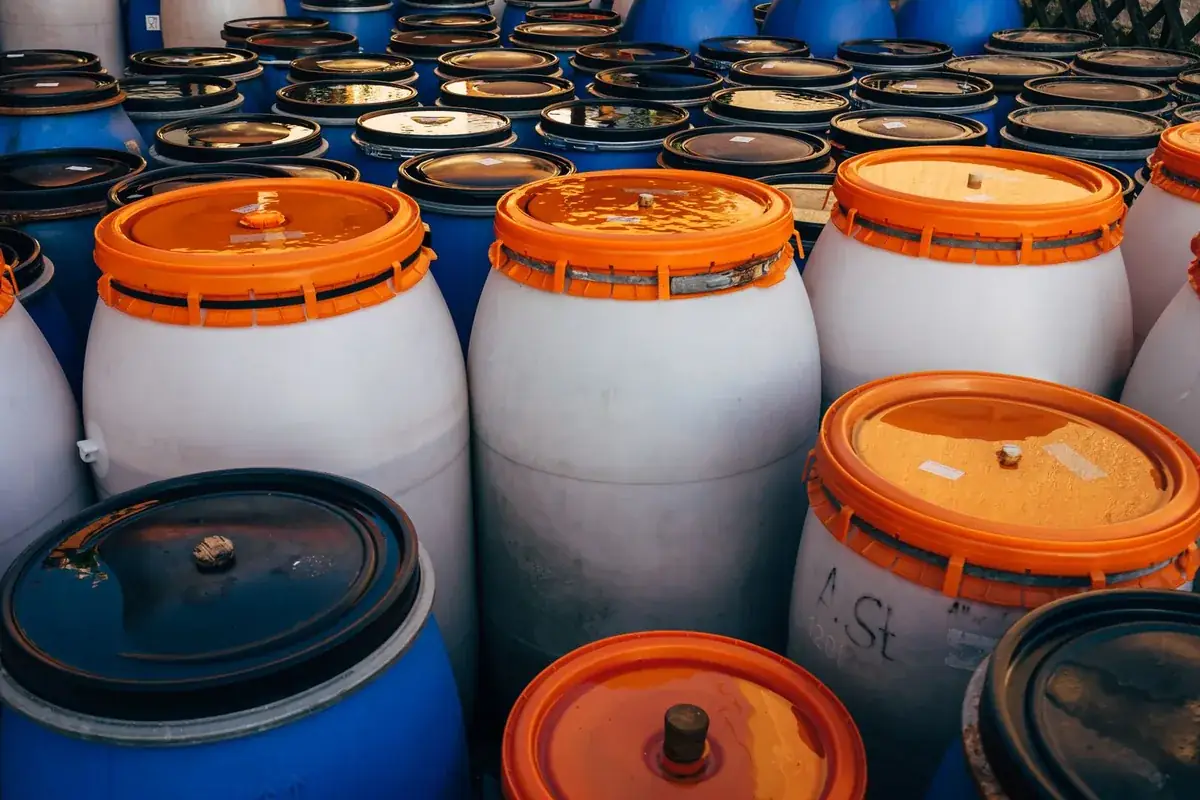
A biohazard pickup service takes contaminated waste off a property and moves it to a proper disposal route. The work usually covers packing, labeling, loading and a record of what was taken.
Across Marshall County, you can get local biohazard cleanup for medical waste jobs of every size by calling State Center Biohazard Cleanup Help. In State Center, that can mean one sharps container or a full room of contaminated supplies.
After a needle stick, wash the area with soap and water and get medical care. Unitypoint Health - Marshalltown in Marshalltown is the closest emergency room to State Center. Seniors are about 18% of residents in State Center. Medical waste can come from any household, whatever the age of the people in it.
A typical medical waste removal job includes:
Sharps come first, then soaked items, then everything else. This order keeps the crew and the property safer.
Sharps go into puncture-resistant containers. Soaked items are bagged, sealed and labeled so nothing leaks during transport.
Each item is placed in the right container, sealed and labeled. Loose pieces are found with a careful sweep of the area.
Surfaces where the waste sat are cleaned and disinfected. The owner can ask for a record of what was removed.
The cost of medical waste removal in State Center, IA depends on the amount of material, how it is packed and how it is hauled.
Mixed waste takes longer to sort. When sharps, soaked items and ordinary trash are jumbled together, the crew has to separate them with care.
| Type of job | Typical range |
|---|---|
| Small physician practice | $75 - $200 per month |
| Regulated medical waste | $0.30 - $0.80 per pound |
| Medical waste disposal | $2 - $20 per pound |
| Dental office | $50 - $175 per month |
Estimates only, not a quote. Sources: MedPro Disposal, Fixr. Price drivers include weight of waste, type of waste, how often pickup happens, container and transport fees. Call (877) 812-4220 to talk through the job.
Needles and soaked items should not go in household trash. They can injure sanitation workers and spread germs. Rules for small household amounts of sharps vary by city and county, so the local health department can say what applies. A cleanup team can take anything larger or anything from another person's care.
A cleanup team can remove medical waste left after a death, such as needles, soaked supplies or contaminated linens. If the death involved a crime or an investigation, work starts only after authorities release the property. Ask about discreet arrival when you call.
Sometimes. Some homeowners and renters policies cover cleanup after a covered event, and some do not. Call your insurance company before work starts, take photos if you can, and keep every receipt. Check your policy rather than assuming it will pay.
No. Leave it as it is and keep people and pets away. Sorting by hand is how many sticks and splashes happen. The cleanup team sorts and packs everything with protective gear and the right containers.
Sealed containers are taken to a facility that treats regulated medical waste, which makes it safe for final disposal. Ask the team how its waste is hauled and disposed of. A disposal record can help when an insurer or landlord asks, so request one when you need it.
They are germs that spread through blood and some other body fluids. Hepatitis B, hepatitis C and HIV are examples. Workers who may come into contact with them are covered by the OSHA Bloodborne Pathogens Standard, 29 CFR 1910.1030.
Describe what you have and ask how pickup and disposal would work.
Call (877) 812-4220